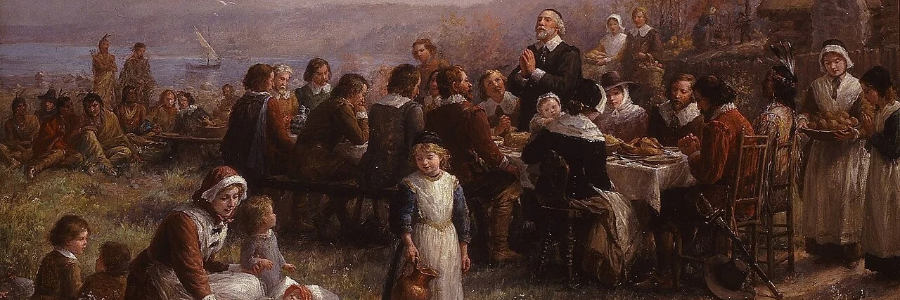
We all know the first Thanksgiving story: surviving Pilgrim settlers living in Plymouth, MA celebrated a bountiful harvest during the autumn of 1621. And while there are a lot of myths and misconceptions surrounding the festivities themselves, one part of the event lost to time has been what the weather was like for those early settlers.
The records describing what exactly the weather conditions were like, did not survive, though the main reason for the uncertainty in the weather is regarding the mystery surrounding when these festivities even took place! We all know Thanksgiving is celebrated now on the 4th Thursday of November, but that was not the case years ago. Modern estimates for when this three-day celebration occurred range anywhere from September 21st to November 11th, 1621. With over four centuries separating us from the events of late 1621, it's truly unfortunate that any concrete details about the weather.
Through much of the early years of American history since our independence, Thanksgiving was not a recurring holiday. Rather, it was a special day decreed by the president for that specific year. George Washington first proclaimed November 26th, 1789 as the "first" Thanksgiving designated by the U.S. national government. He would do it again in 1795 (this time, in February), with President Adams renewing it again in 1798 and 1799. James Madison declared the holiday twice in 1815 (when the War of 1812 ended), with neither celebration held in the autumn.
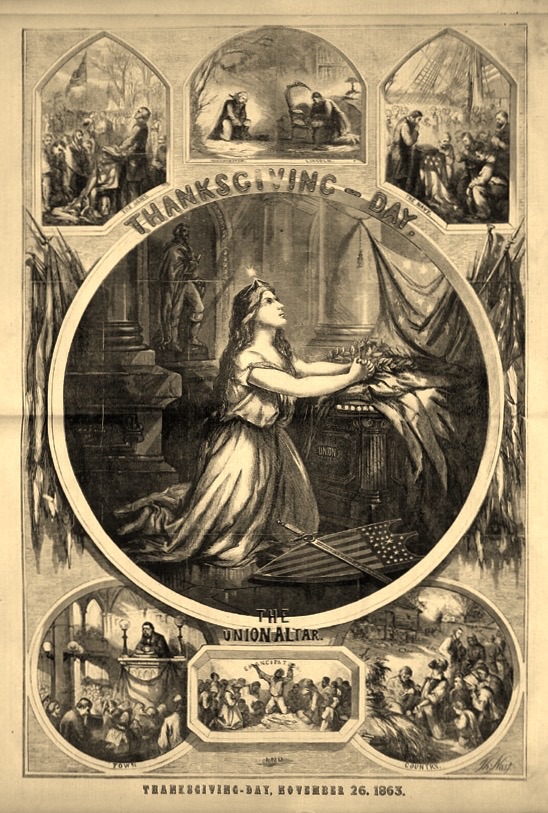
Fast foward 45 years. The nation was in the middle of the Civil War when the first Thanksgiving as we know it took shape. Following Union victories at the Battle of Gettysburg and Vicksburg, Abraham Lincoln proclaimed an official national Thanksgiving Day to be held on the final Thursday of every November. Because the actual date itself changes, this one was held on November 26, 1863.
By the mid-19th century and after a renewed Thanksgiving holiday, stories of the Pilgrims first celebration in 1621 were returned into the public's eye after having fallen out of general knowledge for decades. Now, over a two and a half centuries after that first Thanksgiving festival took place in Plymouth, this newly proclaimed holiday was celebrated in late November. cool, late-November day. According to all surviving weather records in Fort Warren (the nearest observation to Plymouth), Eastern Massachusetts had experienced an unseasonably warm November in 1863, after a brief brush with light snow that fell earlier in the month. Thanksgiving Day was actually not too bad with lots of sunshine, a high near 40°F and just a light northwest wind.
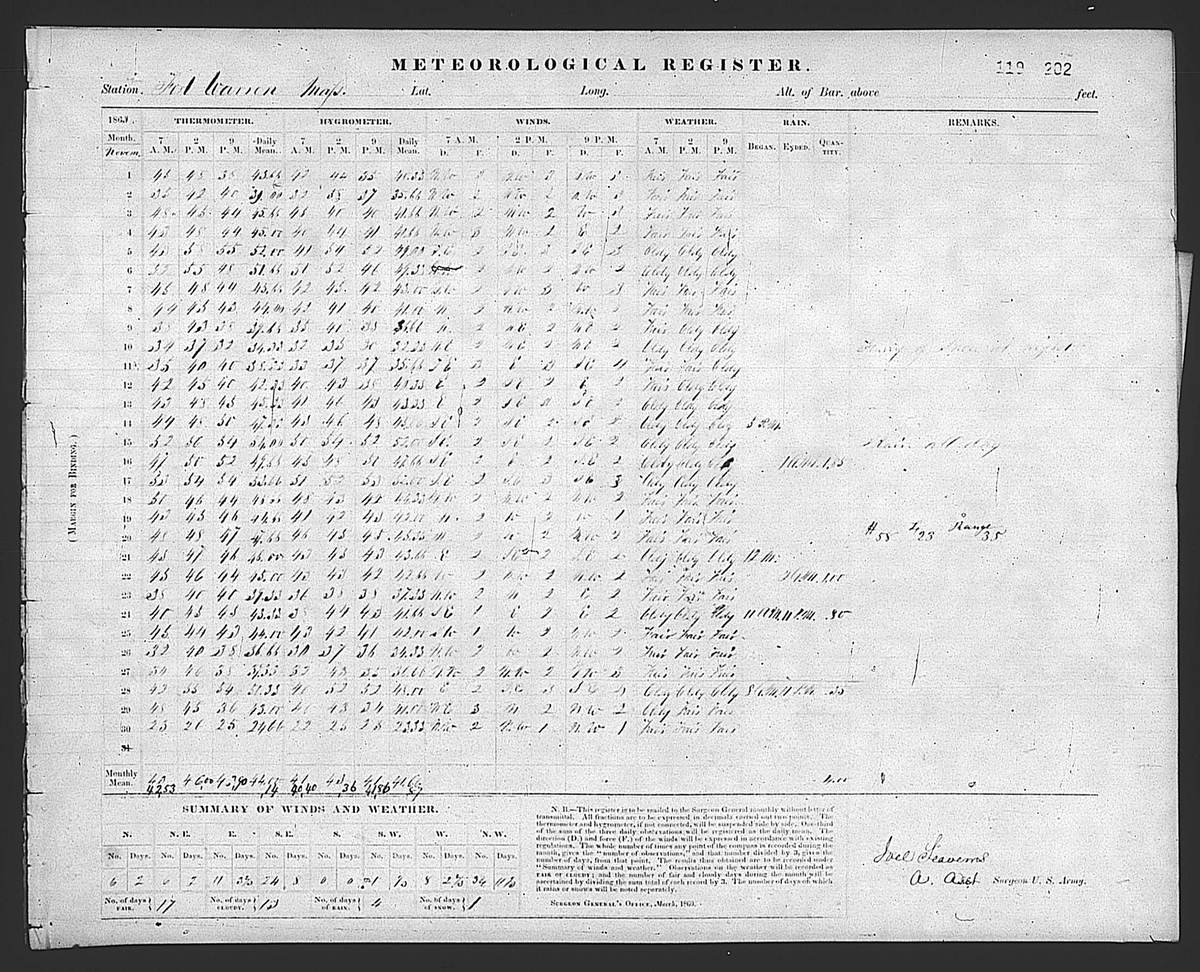
While we do not have much data on past Thanksgivings, including the very first one in 1621, there have been some


