The next few months mark the peak season for thunderstorms and severe weather across the east coast. So we figured, why not explore some common weather sayings and myths that have been passed along for generations? It may come as a surprise but many of these you have probably heard of, is there any degree of truth to them or are they completely false? We'll dive into that, the science behind these, and more below!
From heat lightning to striking twice in the same spot, here are some storm related myths that you may have believed (or still believe to this day).
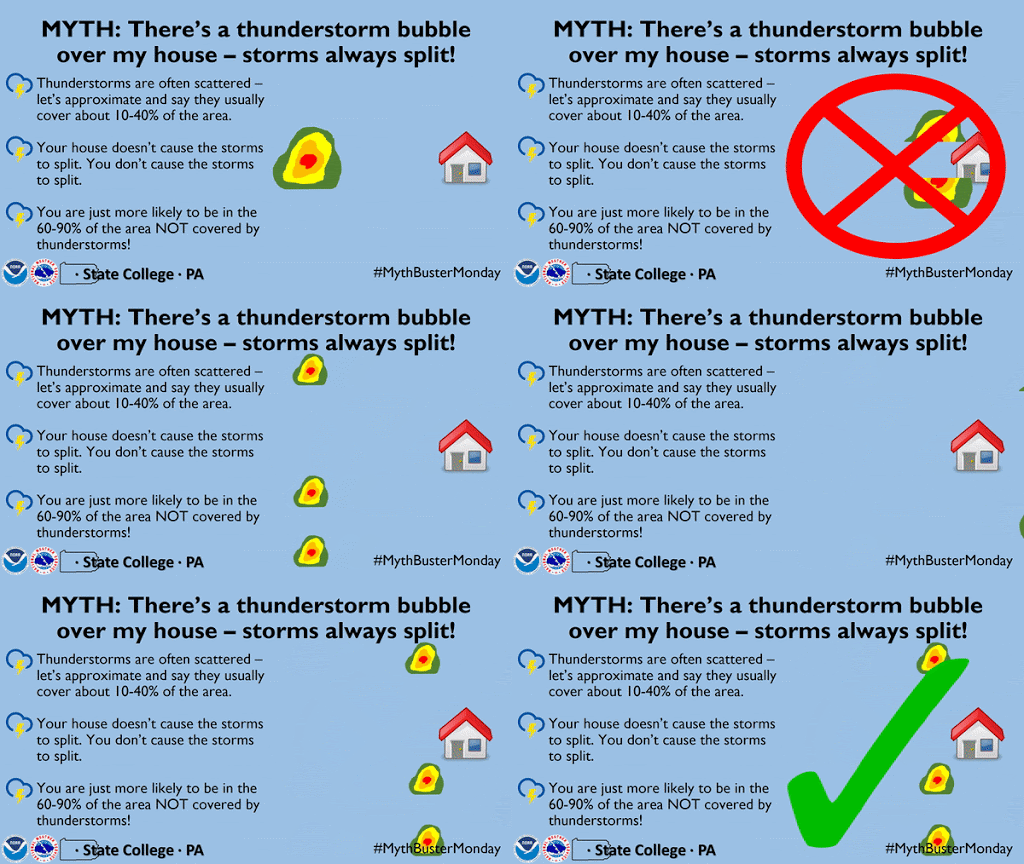
1. "My house acts like a 'shield' or 'bubble' from incoming thunderstorms"
Myth! It's important to remember that unless dealing with a widespread line of activity storms tend to be more isolated to scattered in nature. Therefore, while it may appear like storms are "splitting" your residence this actually isn't the case at all. Instead, it is just more likely that you are within the area not covered or being impacted by a thunderstorm.
2. "Heat lightning is caused by and common on hot, summer days"
Myth! Heat lightning does not exist. "Heat lightning" is just lightning from a distant thunderstorm that is simply too far away to hear thunder. Typically, thunder can be heard up to ~10-15 miles away from a thunderstorm.
3. "Lightning never strikes the same place twice"
Myth! Lightning often strikes the same place repeatedly. For example skyscrapers tend to be the most prone to getting struck and the Empire State Building is hit an average of 23 times per year (Source: National Weather Service). This isn't just over the span of years either. Lightning can even strike the same object or place multiple times in just the span of a few seconds!
4. "The rubber tires on my vehicle will protect / insulate me from lightning"
Myth! While it is true that rubber does not conduct electricity it is not the reason your car keeps you protected during a storm. Rather, an enclosed vehicle actually acts like a "cage" and discharges the lightning around the vehicle's exterior and into the ground keeping you safe and from getting electrocuted. However, if driving through a thunderstorm it is important to not lean on the outside door or window to best ensure your safety.
5. "A tree is a good means of shelter and way to stay dry during a thunderstorm"
Myth! You should NEVER seek shelter under a tree during a thunderstorm. Doing so is extremely dangerous as a tree is often more likely to attract / be struck by lightning. In fact, according to the National Weather Service being underneath a tree is the second leading cause of lightning fatalities.
6. "One should lie flat / crouch on the ground if trapped outdoors and lightning is about to strike"
Myth! Lying down / crouching if caught outdoors during a thunderstorm does not make you any safer. In fact, lying flat on the ground actually increases your risk of being injured or even killed by a ground current of lightning. No place outdoors is safe during a storm!
7. "You should avoid taking a shower during a thunderstorm"
Fact! This is actually true! While a house is generally a safe place to be during a thunderstorm you should avoid using anything that conducts electricity. This includes electrical appliances, wires, computers, metal doors / windows, and yes, even plumbing. If your house is struck lightning can actually travel through these things and put you at a greater risk of being electrocuted, even indoors.
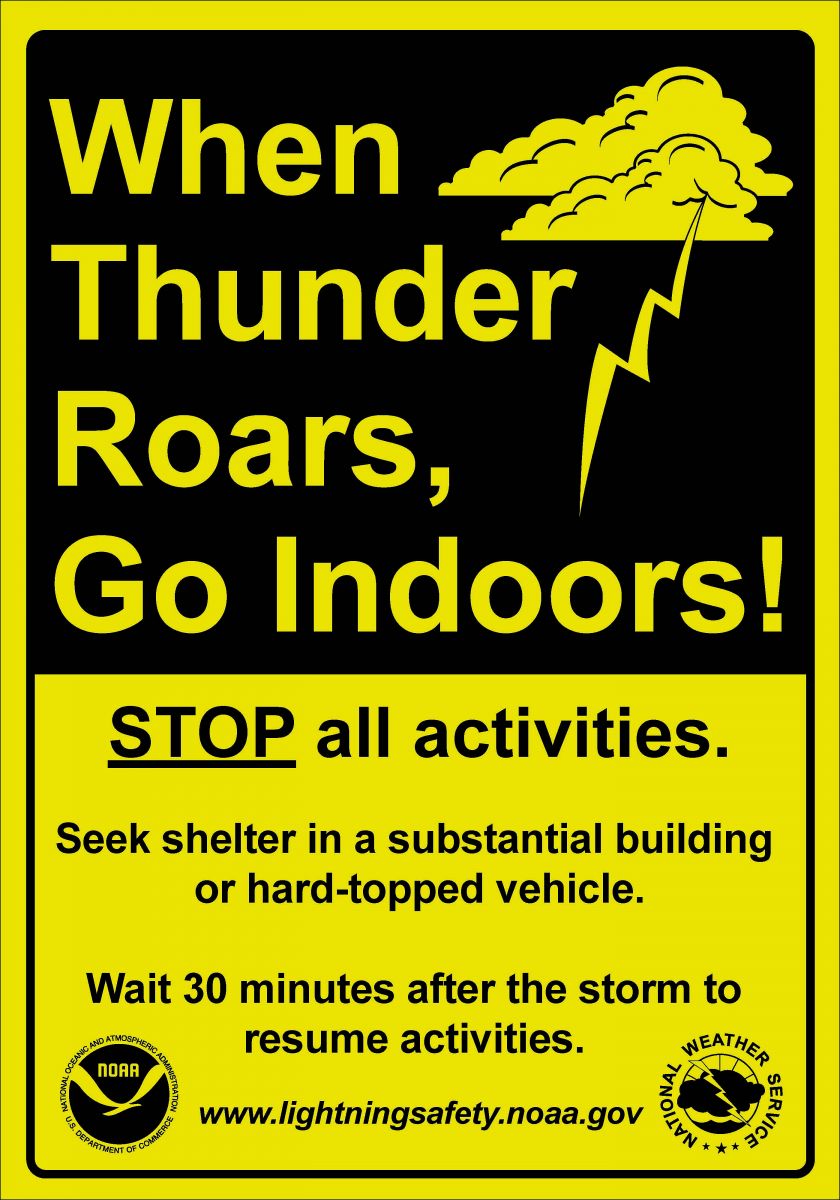
According to the National Weather Service, from 1989-2018 the U.S. averaged 43 reported fatalities per year due to lightning strikes. There is no safe place outdoors during a thunderstorm and the best way to protect yourself from lightning is to go indoors into a sturdy structure. A motor vehicle is also another option if a sturdy structure does not exist or one is driving. Remember the saying "when thunder roars, go indoors!"
However, it is also pertinent to understand that just because you cannot hear the thunder that does not mean you cannot be struck by lightning. Rogue lightning strikes known as "bolts from the blue" can occur and strike 15+ miles away from a parent thunderstorm so it is important to take swift action when a storm threatens. We go into more depth on lightning safety here.
We talked about some lightning and thunderstorm-centric myths, which hopefully by now have changed your view. But let's dive into some muths related to other forms of severe weather.
1. "Tornadoes cannot cross rivers / lakes or hit major cities"
Myth! They can and absolutely do! While terrain can influence the frequency of tornadoes (e.g., tornadoes are less common but still occur in mountainous regions), rivers and cities meanwhile have no influence on a tornadoes path. While it may seem like tornadoes rarely hit heavily populated urban areas it is important to remember that cities are geographically fairly isolated. This makes for a very small target considering tornadoes are such a localized phenomenon to begin with.
2. "Highway overpasses are safe shelters during severe weather and tornadoes"
Myth! This may be one of the most common misconceptions and you should NEVER seek refuge under an overpass during severe weather or a tornado. In the event of severe weather this acts to create more congestion on the highway and only increases the risk for traffic collisions and incidents. Additionally, during a tornado an overpass actually acts like a wind tunnel and thereby enhances the winds of the tornado putting you at an even greater risk for injury or death.
3. "If a tornado is coming I should open the windows of the home or building to equalize the pressure and thereby reduce damage"
Myth! This is also another common misconception. It is the violent winds and debris associated with a tornado that causes the damage and opening the windows will have no effect on that.
4. "Large / heavy vehicles are safe to drive through flood waters"
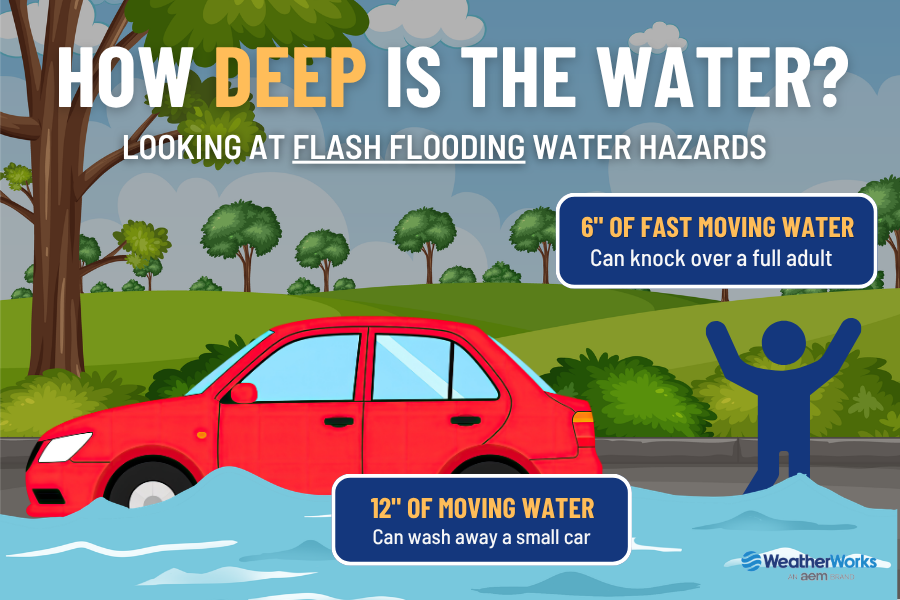
Myth! You should NEVER attempt to drive through flood waters no matter what vehicle you are driving or how deep the floodwaters appear. It only takes 12 inches of flowing water to move a small car and just 2 feet of moving water to float away most larger vehicles such as SUVs and pickup trucks. Remember to "turn around don't drown!" if encountering flood waters and find an alternate route.
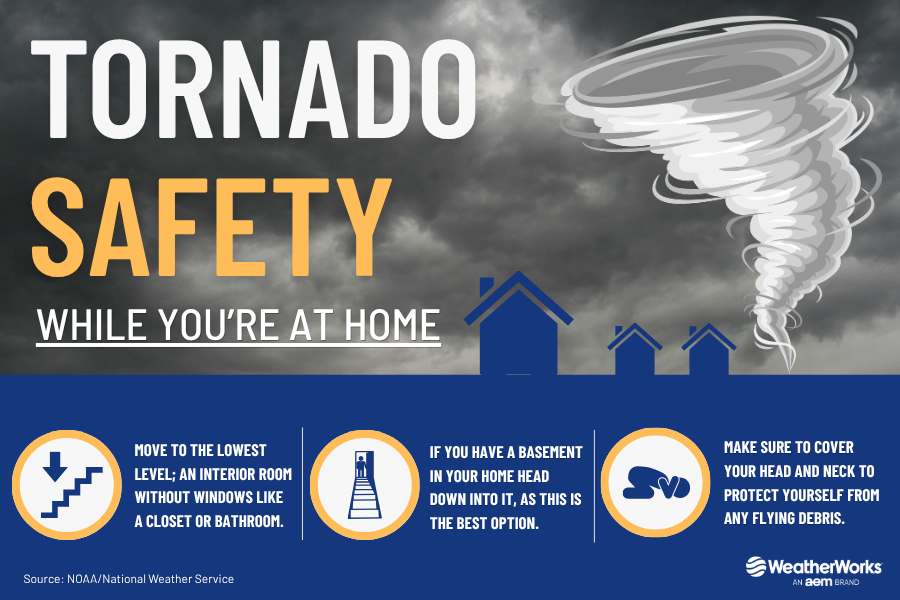
According to the National Centers for Environmental Information (NCEI) there are on average 80 fatalities across the U.S. per year due to tornadoes. If a tornado is threatening do not spend time trying to see it or capture it on video! Instead, quickly move indoors into your home or a sturdy building. If there is a basement that is the first place you should go to ride out the storm. If not, you should move to the lowest floor of the home / building and put as many walls between the exterior of the structure and yourself as you can. Often times interior closets or a bathroom can be good options in the event no underground shelter exists. As a last resort if caught outdoors or driving you should find a ditch, pull over, and lie flat in the ditch (protecting your head and neck) until the storm passes. Tornadoes can easily loft and throw motor vehicles.
Hopefully this clears up some common myths and weather misconceptions that you have probably heard for many years. We also hope this has you feeling more prepared the next time storms and severe weather / tornadoes threaten and that you have learned more about what to do and what not to do to best keep yourself and others safe!